MultiPay · 2025
Turning six ways to move money into one form
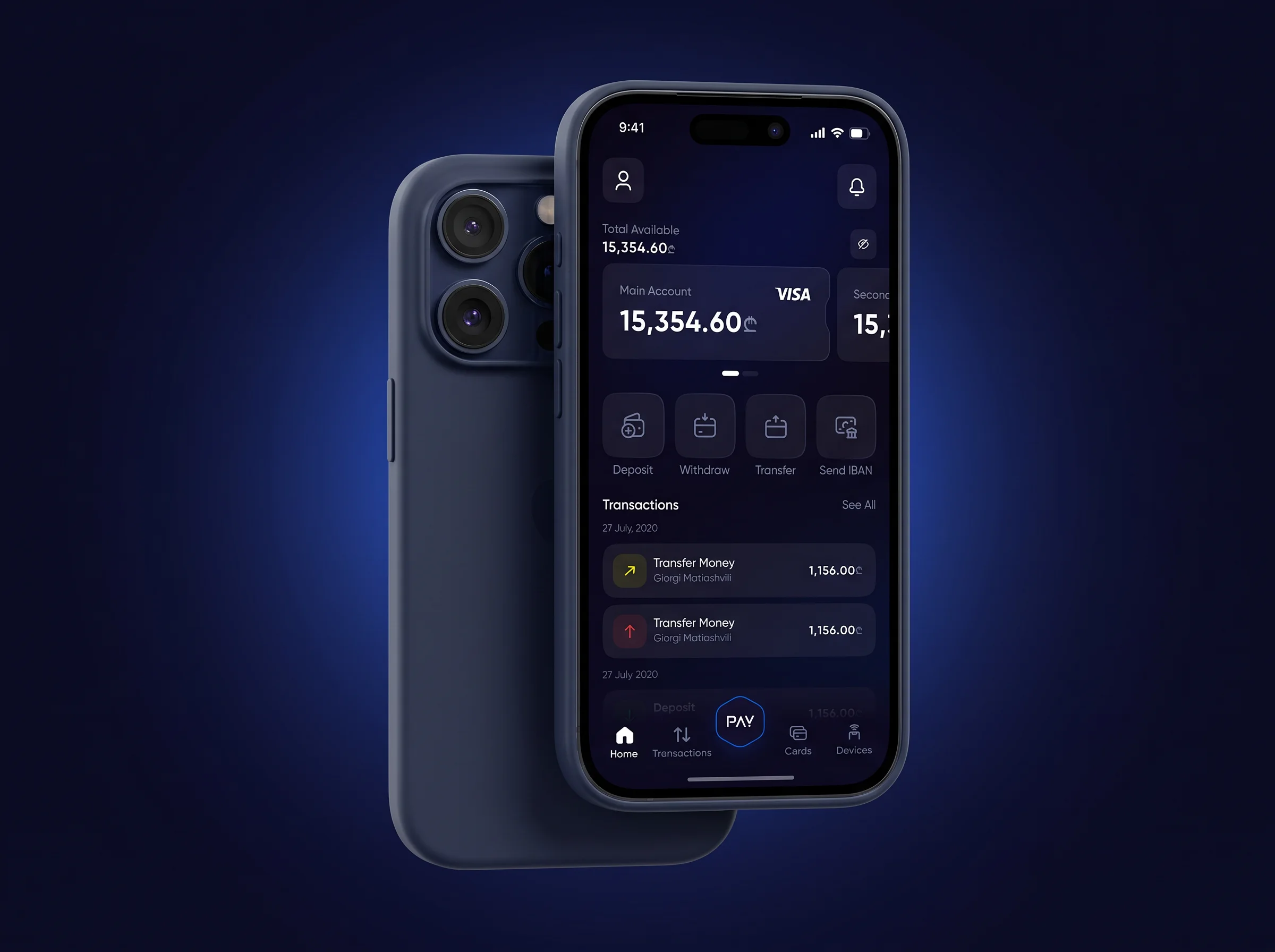
MultiPay is a wallet for lari, dollars and euros. I designed card top-ups, transfers between accounts, currency swaps and IBAN sends so none of it feels scary.
6 flows
one pattern
- Category
- Multi-Currency Wallet
- Role
- Lead Product Designer
- Timeline
- 10 weeks
- Platform
- iOS · Android
- Year
- 2025
01 Problem
People used three apps to move their own money.
Lari in one place, dollars in another, and no single total anywhere. Top up, transfer, exchange and send abroad each had a different form, and after confirm nobody knew if the money moved.
02 Approach
Every money move is the same three steps.
I talked to people who juggle three apps, then gave every move one form: from where, to where, how much.
- 01
Your total first
One number at the top for every currency. An eye icon hides it on the bus.
- 02
Exchange inside transfer
Two accounts in different currencies? The form adds sell and buy lines and the rate.
- 03
A clear answer
Pending, success or denied, full screen, same look every time, always a way back.
Before
Before · four moves, four forms
3 apps · nothing shared- 01Top up a card
Bank app one. Its own form, its own wording.
- 02Send to an IBAN
Bank app two. Different fields, different order.
- 03Move between accounts
Bank app three, if the accounts are even in the same place.
- 04Change currency
A converter, then a calculator for what’s left.
After
After · one form
6 flows · 1 pattern- 01From
Which account or card the money leaves. Always first.
- 02To
Where it lands. A panel, so the form stays behind it.
- 03Amount
Same quick-amount chips every time. Rate appears here if currencies differ.
- 04Verdict
Pending, success or denied, full screen, same language, always a way back.
03 Results
What it did.
- 6
- Kinds of money movesTop-up, two withdraws, two transfers, exchange
- 1
- Pattern for all of themFrom → To → Amount
- 90+
- Screens designedFlows, states, panels, popups
- 0
- Dead endsEvery flow ends with an answer
In context
Six kinds of money moves, one pattern. The best wallet is the one you stop thinking about.
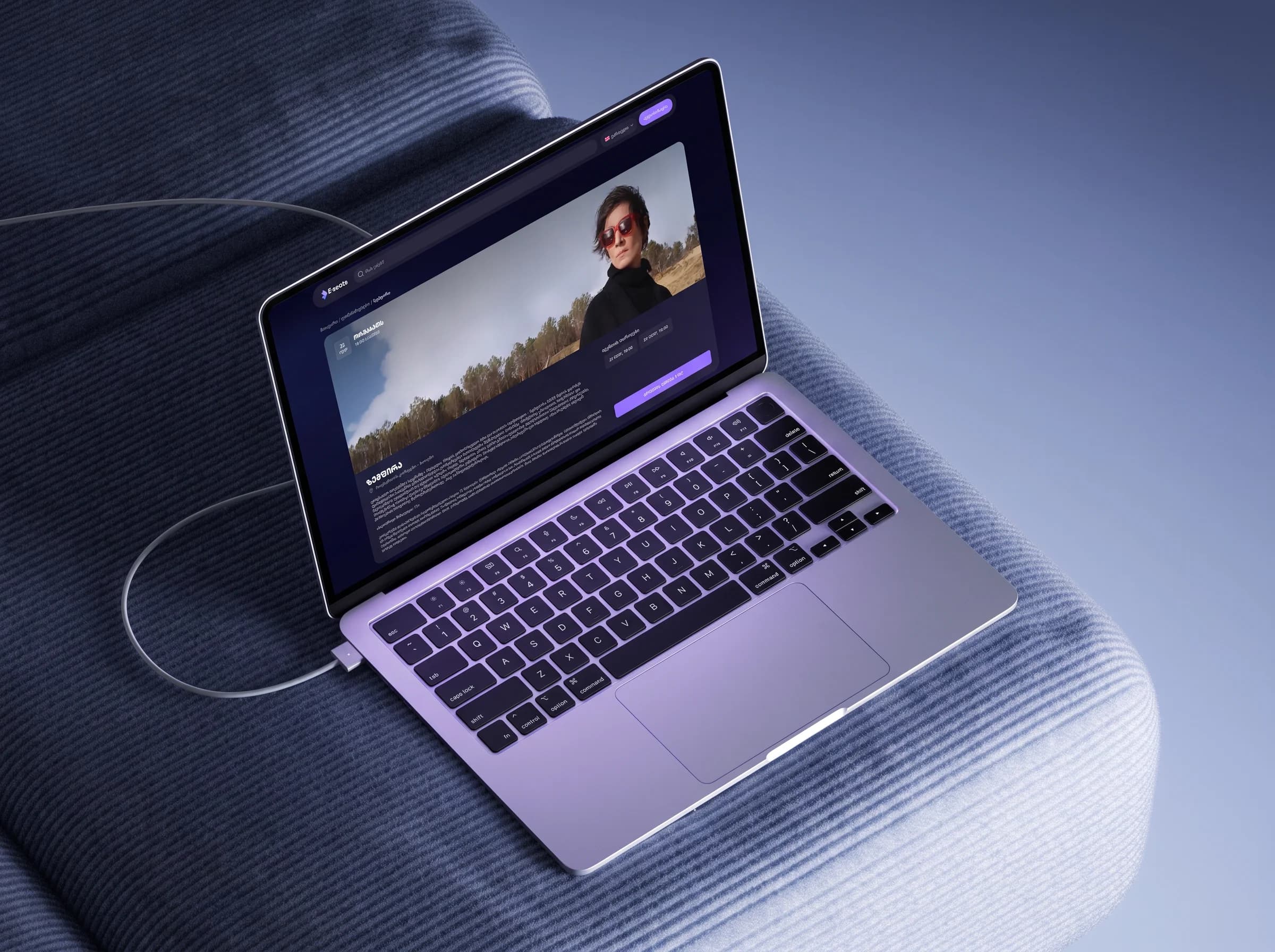 Next: E-SeatsTicketing for concerts, theatre and sport, one purchase pattern, designed in dark and light across three screen sizes.